 |
 |
 |
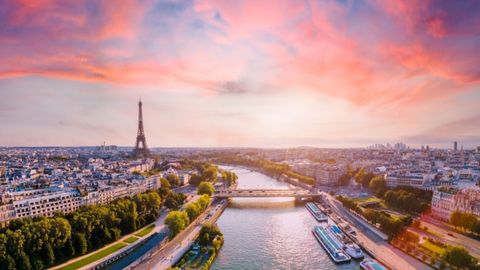 |
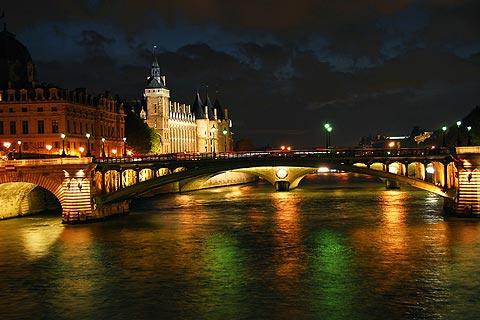
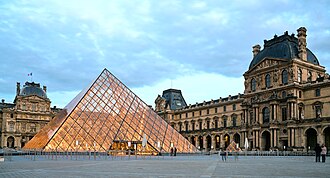
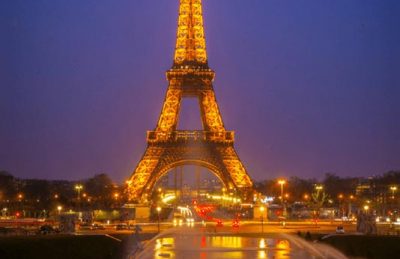
Paris is the capital of France and sits along the Seine River. The city is divided into twenty districts, called arrondissements, that circle out from the center. Visitors know Paris for landmarks like the Eiffel Tower, Notre Dame, and the Arc de Triomphe, but everyday life includes cafes, bakeries, open air markets, and narrow streets made for walking. Major museums such as the Louvre and the Musee d Orsay display art from many time periods, from ancient pieces to impressionist paintings. Green spaces such as the Jardin du Luxembourg and the Tuileries offer quiet places to rest between sights. Public transit is easy to use, and many popular spots are only a short Metro ride apart.The citys architecture mixes classical stone buildings with modern glass structures, giving every street a sense of contrast and history. Evening lights reflect off the river and create one of the most recognizable night scenes in the world. Overall, Paris is compact, lively, and full of history and culture.
A simple plan covers a few famous sights and leaves time to explore neighborhoods. Go early to large museums to avoid lines, then walk the river or visit the Marais in the afternoon. Montmartre provides views across the city and is a good place to end the day. Food does not need to be fancy: a warm baguette, a crepe, or a small bistro meal can be memorable. Buy a transit pass or a set of tickets so you can move around quickly. Comfortable shoes help on cobblestones, and note that some shops close on Sundays or during midday. With a light schedule and some flexibility, you can see highlights without rushing and still enjoy slower moments in the city. Taking short breaks at small cafes helps you rest and enjoy daily life as locals do. Whether visiting for art, food, or atmosphere, every area offers something memorable.
|
|
|
|